 Loading... Please wait...

- Home
- About Us
- Shipping, Returns & FAQ's
- Contact Us
-
For Your Information
- Hi‑Maize 260® Resistant Starch Usage Instructions and Recipes
- Canadian Customers Have a Choice if Shipping Via UPS
- Aura Cacia Homemade Aromatherapy Recipes
- Bella Nella Altered Art & Paper Crafts Blog
- Forms of Herbal Preparations
- Fragrance Oil Information
- Laundry Tips To Conserve Energy Blog from The Laundress
- The Story of Frontier Natural Products Co-Op
- Sovereign Silver Hydrosol and Aloe Protocol Stops Downward Spiral of Gut Dysbiosis
- Disclaimers
- Recommended Links
- RSS/Recent News
- The Story of Typhoon Housewares
- Reviews/Testimonials
- Raw Ingredients for Mfg
Categories
 New Products
-

£15.95£8.69
-

£7.17£5.34
-

£13.56£5.34
-
£27.32£21.22
-
£29.16£21.55
- Home
- Grocery
- Flour/Grains
- Hi-Maize 260 Resistant Starch All-Natural Fiber Bulk
- Home
- Raw Materials
- Additives
- Hi-Maize 260 Resistant Starch All-Natural Fiber Bulk
- Home
- Supplements
- Digestive
- Fiber
- Hi-Maize 260 Resistant Starch All-Natural Fiber Bulk
- Home
- Grocery
- Baking Ingredients
- Hi-Maize 260 Resistant Starch All-Natural Fiber Bulk
Hi-Maize 260 Resistant Starch All-Natural Fiber Bulk


Product Description
Most starches are digested and absorbed into the body through the small intestine, but some resist digestion and pass through to the large intestine where they act like dietary fiber to improve digestive health. This type of starch is called "Resistant Starch".
Hi-maize 260 resistant starch contains approximately 60% resistant starch (insoluble dietary fiber [1]) and 40% digestible (glycemic) starch content. Hi-maize resistant starch can be simply added to foods such as bread, biscuits, cereals and pasta by partly replacing flour. It improves the nutritional profile of everyday processed foods. Because it does not impact taste, appearance or texture, you can enjoy the food you love with the added benefit of getting the nutritional goodness you need.
When it comes to "healthy eating", just about everyone can do a whole lot better. Adding Hi-maize resistant starch to your diet makes it easier to increase dietary fiber, maintain healthy blood sugar levels and maintain a healthy weight.
Resistant starch is starch that resists digestion in the small intestine and reaches the large intestine. It is fermented in the large intestine by the resident beneficial bacteria. The products of this fermentation are used as energy.
Some foods are naturally rich in resistant starch: unprocessed whole grains, under-ripe bananas, beans and legumes. Other foods naturally contain low levels of resistant starch: cooked and cooled potatoes, rice and pasta. Natural resistant starch is also available as an ingredient for home baking, supplementation and food manufacturing. This ingredient is
Hi-maize® resistant starch.
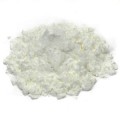
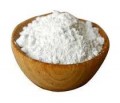
Hi-maize resistant starch is a white, cornstarch that easily replaces part of the flour in your favorite everyday foods without changing their taste, texture or appearance. It can also be mixed into smoothies or mixed into oatmeal for an easy nutritional boost.
A new discovery in health and well-being, Hi-maize resistant starch offers nutritionally important benefits that help you enjoy the foods you love while still taking care of your health today and tomorrow. Hundreds of published studies have proven that Hi-maize:
- increases dietary fiber intake
- supports a healthy weight
- helps maintain healthy blood sugar levels
- promotes a healthy digestive system
- works within a gluten-free diet
A wealth of clinical studies over 20 years has proven the health benefits of natural resistant starch from high amylose corn. Hi-maize® resistant starch from high amylose corn has been utilized in the vast majority of these studies.
Resistant starch can be blended into fruit smoothies, applesauce or mashed potatoes as an easy fiber boost, or substituted for flour in your family’s favorite recipes. Substituted for 10-25% of the flour in foods like pancakes, cookies, waffles, and birthday cakes can help reduce calories and increase fiber while still maintaining great taste. (Instead of using 1 cup of flour that your recipe calls for, use a little more than 3/4 cup of flour and a little less than 1/4 cup of Hi-maize resistant starch.)
Everyone knows that the key to good health comes from treating your body properly and eating a well balanced diet. This includes eating the foods your body is designed to digest naturally – fresh fruit, vegetables, and whole grains. In short, a healthy diet should contain a variety of carbohydrates and dietary fiber to help you feel well and stay healthy. Hi-maize resistant starch can help. Hi-maize is a natural source of insoluble dietary fiber from corn.[1] It’s now available as an ingredient and can be utilized to provide a nutritional boost to help you manage your weight, help maintain healthy blood sugar levels and promote a healthy digestive system.
Some foods are naturally rich in resistant starch: unprocessed whole grains, under-ripe bananas, beans and legumes. Other foods naturally contain low levels of resistant starch: cooked and cooled potatoes, rice and pasta. Natural resistant starch is also available as an ingredient for home baking, suplpementation and food manufacturing. This ingredient is Hi-maize resistant starch.
Hi-maize resistant starch is isolated from a special hybrid of corn that is naturally high in amylose content. It was developed through a natural plant breeding program over the past thirty years. The corn is grown by American farmers in the central US. After harvesting, the starch is pulled out of the corn kernel through a conventional wet milling process. It is treated with mild heat and moisture and dried to a fine, white cornstarch powder.
Usage and Recipes
1. Replace Part of the Flour (Best Method)
Replace 10%–25% of total flour with Hi‑Maize 260 in:
Bread
Muffins
Cookies
Pancakes
Crackers
Pasta dough
Tortillas
This increases fiber without affecting taste, color, or texture.
2. Add to Smoothies
Add 1–2 tablespoons per smoothie.
Dissolves well and adds ~6–9 g fiber per tablespoon.
3. Stir Into Oatmeal, Yogurt, or Cereal
Add 1 tablespoon per serving.
4. Use in Soups, Sauces, Gravies
Add 1–2 teaspoons per cup of liquid.
Acts as a light thickener while boosting fiber.
(Inference based on typical starch behavior; not directly stated in sources.)
5. Nutritional Profile
~60% resistant starch (dietary fiber).
1 tbsp (10 g) contains 6 g fiber.
Easy Recipes Using Hi‑Maize 260
1. High‑Fiber Pancakes
Ingredients
1 cup all‑purpose flour
¼ cup Hi‑Maize 260
1 tbsp sugar
1 tbsp baking powder
1 egg
1 cup milk
2 tbsp oil
Instructions
Mix dry ingredients.
Add wet ingredients and whisk.
Cook on medium heat.
Fiber boost: Adds ~12 g resistant starch to the batch.
2. Hi‑Maize Enriched Bread
Ingredients
3 cups bread flour
¾ cup Hi‑Maize 260 (25% replacement)
1½ cups warm water
2 tsp yeast
1½ tsp salt
1 tbsp sugar
Instructions
Combine dry ingredients.
Add water; knead 8–10 minutes.
Rise 1 hour, shape, rise again.
Bake at 375°F for 30–35 minutes.
Why 25%?
Manufacturer guidance supports partial flour replacement for bread without texture changes.
3. Fiber‑Boosted Smoothie
Ingredients
1 banana
1 cup milk or yogurt
1 tbsp Hi‑Maize 260
Optional: berries, protein powder
Instructions
Blend everything until smooth.
Adds: ~6 g fiber.
4. High‑Fiber Chocolate Chip Cookies
Ingredients
1½ cups flour
½ cup Hi‑Maize 260
½ cup butter
½ cup sugar
½ cup brown sugar
1 egg
1 tsp vanilla
1 tsp baking soda
1 cup chocolate chips
Instructions
Cream butter + sugars.
Add egg + vanilla.
Add dry ingredients.
Bake at 350°F for 10–12 minutes.
5. Hi‑Maize Pasta Dough
Ingredients
2 cups flour
½ cup Hi‑Maize 260
3 eggs
1 tbsp olive oil
Pinch of salt
Instructions
Mix flours + salt.
Add eggs + oil; knead 8 minutes.
Rest 30 minutes.
Roll and cut pasta.
Tips for Best Results
Works best in dry applications (baking, doughs).
Add gradually to liquids to avoid clumping.
Store in a cool, dry place; shelf life up to 2 years depending on packaging.
Several randomized controlled trials showed that adding resistant starch significantly reduced visceral fat and improved liver health.
In one trial, people taking resistant starch had over far greater visceral fat elimination than placebo, with nearly 20% more visceral fat lost over four months.
Resistant starch also reduced intrahepatic fat (IHTG) or the fat inside liver cells. In one study, the resistant starch group eliminated about six times more liver fat than the placebo group.
These improvements were also accompanied by better inflammation and liver damage markers.
Resistant starch is not absorbed into the bloodstream. Instead, it reaches the large intestine, where it is fermented by gut microbes.
Researchers found that microbiome changes from resistant starch alone could improve liver health when transferred into from humans to mice.
The file also notes that when resistant starch is missing, a particular bacterium becomes more abundant. In mice, exposure to that bacterium was linked to worse liver fat outcomes.
Not everyone responds the same way. Some people had large drops in liver fat, while others had only small improvements.
Researchers described these groups as high responders and low responders, with the microbiome being the leading explanation for the difference.
Common sources include high-amylose maize starch, green banana powder, and potato starch.
Across the studies, the consistent dose was around 40 grams per day. Ramp up slowly, starting around 5 grams per day, then increasing gradually to reduce gas, bloating, and other gastrointestinal discomfort.
Main Points Summary:
Resistant starch consistently reduced visceral fat and liver fat across multiple trials; it worked through the gut microbiome rather than direct absorption; around 40 grams per day was the best-supported dose, with gradual increase recommended.
Origin: USA
Notes: Made from indentity preserved Non-GMO corn. Kosher Certified. Non-irradiated
Specifications are subject to change without notice.
* FDA disclaimer
References
[1] As analysed by the AOAC official methods 985.29 and 991.43
The New Fiber Story and Recipes
Insulin-Sensitizing Effects of Resistant Starch Linked to Changes in Fat Metabolism in Humans
[Study 606] Ni et al., 2023
[Study 607] Long et al., 2025
[Study 608] Li et al., 2024
[Study 609] Zhang et al., 2019
[Study 610] Peterson et al., 2018
[Study 611] Johnston et al., 2010
Find Similar Products by Tag
Find Similar Products by Category
Related Products


You Recently Viewed...
Currency Converter
Choose a currency below to display product prices in the selected currency.


