 Loading... Please wait...
- Home
- About Us
- Shipping, Returns & FAQ's
- Contact Us
-
For Your Information
- Hi‑Maize 260® Resistant Starch Usage Instructions and Recipes
- Canadian Customers Have a Choice if Shipping Via UPS
- Aura Cacia Homemade Aromatherapy Recipes
- Bella Nella Altered Art & Paper Crafts Blog
- Forms of Herbal Preparations
- Fragrance Oil Information
- Laundry Tips To Conserve Energy Blog from The Laundress
- The Story of Frontier Natural Products Co-Op
- Sovereign Silver Hydrosol and Aloe Protocol Stops Downward Spiral of Gut Dysbiosis
- Disclaimers
- Recommended Links
- RSS/Recent News
- The Story of Typhoon Housewares
- Reviews/Testimonials
- Raw Ingredients for Mfg
Categories
 New Products
-
 $10.10
-

$25.65$10.10
-
 $40.15
-
 $40.77
-
 $40.77
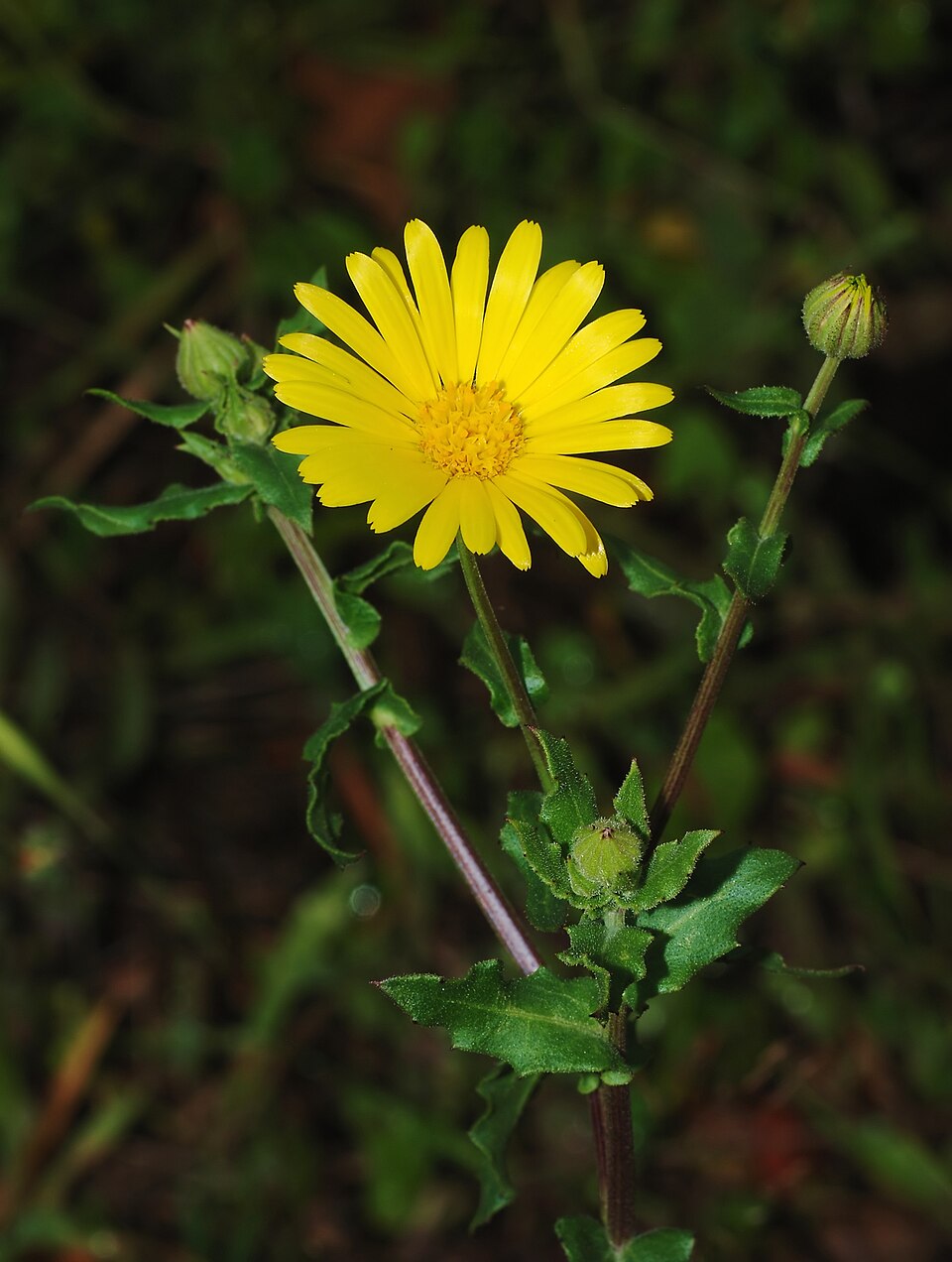
Marigold (Calendula) Flowers Petals Bulk


Product Description
Calendula flowers are best known for their skin‑healing, anti‑inflammatory, and antimicrobial properties, with additional traditional uses for digestion and wound care*
Calendula (also called pot marigold) is an herb in the Asteraceae family whose flower petals are used medicinally. Its active compounds—flavonoids, triterpenoids, carotenoids, and saponins—are responsible for most of its therapeutic effects.
Key Uses & Benefits of Calendula Flowers
1. Skin Healing & Wound Repair
Calendula is widely used for:
- Minor cuts, burns, and wounds
- Diaper rash
- Dermatitis and irritated skin
- Venous leg ulcers
Clinical studies show calendula ointment can speed wound closure, increase collagen production, and reduce inflammation in damaged tissue.
2. Anti‑Inflammatory EffectsCalendula reduces inflammation both topically and internally.
Evidence includes:
- Reduced symptoms in diaper dermatitis
- Improvement in gastric and duodenal ulcers
- Anti‑inflammatory activity in digestive and skin tissues
3. Antimicrobial Properties
Calendula has antibacterial, antiviral, and antifungal activity.
Studies show it can:
- Reduce oral bacteria and dental plaque
- Inhibit growth of multiple bacterial and fungal strains
4. Antioxidant Activity
Calendula contains strong antioxidants (carotenoids, flavonoids) that help:
- Neutralize free radicals
- Reduce oxidative stress
- Support tissue repair
5. Digestive Support
Traditionally used as a bitter digestive herb, calendula may:
- Improve digestion
- Support healing of peptic ulcers
- Reduce gastrointestinal inflammation
6. Menstrual & Reproductive Uses
Historically used for:
- Painful menstruation (dysmenorrhea)
- Antispasmodic effects
7. Oral & Eye Inflammation
Calendula preparations are used for:
- Gingivitis
- Oral ulcers
- Conjunctivitis (eye membrane inflammation)
Common Ways to Use Calendula
- Salves & ointments – for skin healing
- Infused oils – for massage or skin irritation
- Teas – for digestive or internal inflammation
- Tinctures/extracts – concentrated internal use
- Mouthwash – for gum inflammation
- Culinary uses – petals in salads, soups, or as “poor man’s saffron”
⚠️ Safety & Precautions
- Avoid if allergic to ragweed, daisies, chrysanthemums, or other Asteraceae plants.
- May interact with sedatives.
- Not recommended during pregnancy (may stimulate uterine contractions).
- Topical use is generally safe but may cause allergic reactions in sensitive individuals.
Botanical Name: Calendula officinalis
aka: marigold
Origin: Egypt
Notes: Kosher Certified. Non-irradiated. Non-GMO. Vegan. Bulk sold and labeled as for further manufacturing. Individuals must exercise their independent judgment in determining its appropriateness for a particular purpose or use. As with any manufacturing process, we suggest a small, lab-scale manufacturing for evaluation purposes prior to full commercial manufacturing.
Specifications are subject to change without notice.
* FDA disclaimer
References
1) Botanical Institute
2) Medicine Net
3) WikiPedia
Related Products



You Recently Viewed...
Currency Converter
Choose a currency below to display product prices in the selected currency.


